Safety First
Spending the Day on the Water? Let’s Make It Memorable!
Renting a pontoon boat is a fantastic way to enjoy a fun and relaxing day with family and friends—whether you’re planning a peaceful cruise, some fishing, or a lively get-together on the water.
However, piloting a pontoon boat require prior experience. It’s not ideal for first-timers, and safety is always our top priority.
Before we get into helpful tips for making the most of your outing, please give us a call/text if you haven’t driven a boat in our area before. We’re happy to talk through your options, and keep in mind that experience operating a pontoon boat on the lake is required.
Safety First – Know Your Boat Before You Go
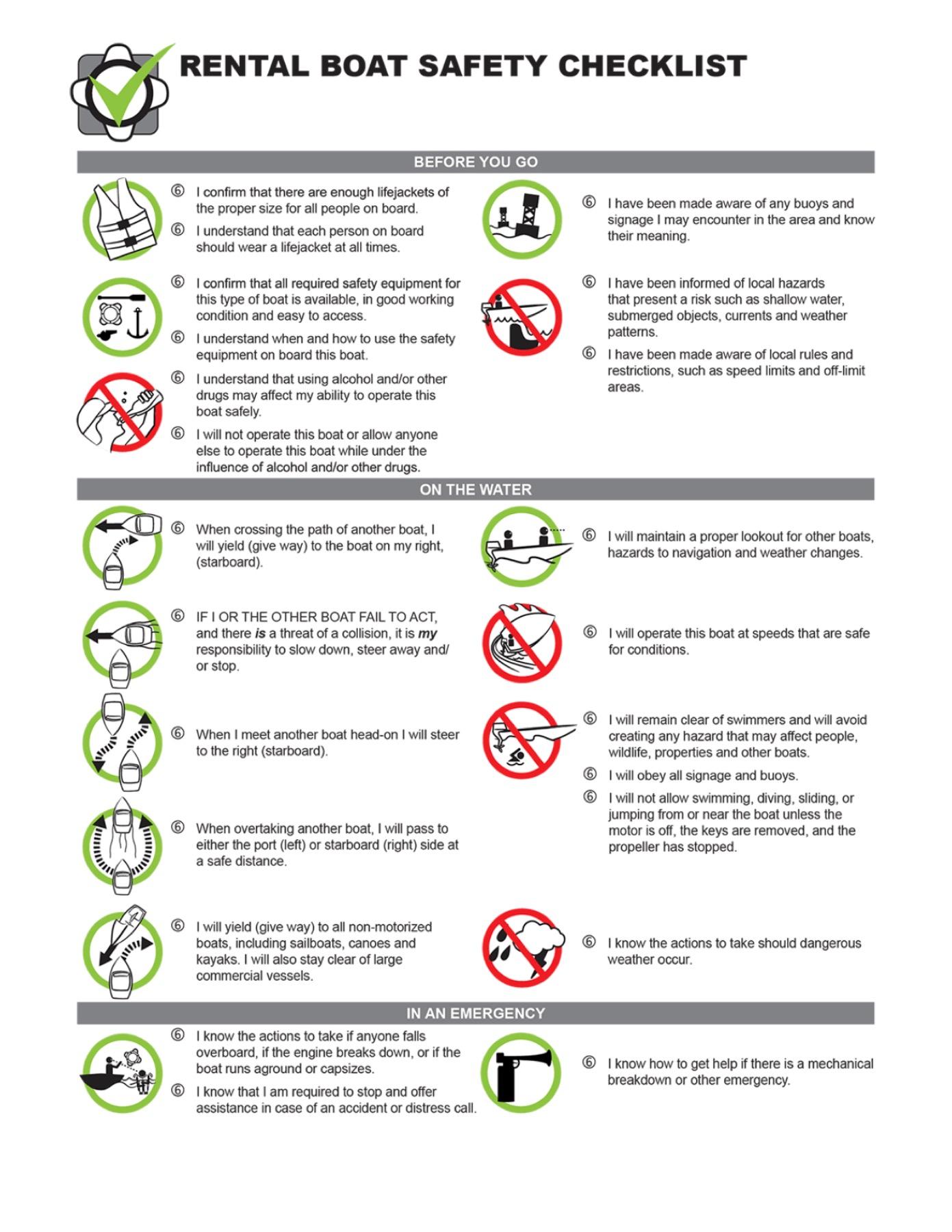
Before getting behind the wheel, take a few minutes to get familiar with the safety features and equipment on your pontoon boat. Make sure there’s a properly fitting life jacket for every passenger—and that everyone knows where they are and how to use them. Safety isn’t just smart—it’s required.
You should also review the boat’s emergency procedures, like how to use the fire extinguisher and how to call for help if needed.
And don’t forget—the U.S. Coast Guard (USCG) Rules of the Waterway apply at all times. These rules are in place to help keep everyone safe on the water. If you’re unsure about them or how they apply in our area, we’re always happy to answer your questions.
Boat Orientation – Tutorial
Take a few moments to familiarize yourself with the layout and controls of the pontoon boat and maps of the local area. Locate the throttle and steering wheel and understand how they function. Identify the switches for lights, horn, and other essential features.
You should also review the boat’s emergency procedures, like how to use the fire extinguisher and how to call for help if needed.
And don’t forget—the U.S. Coast Guard (USCG) Rules of the Waterway apply at all times. These rules are in place to help keep everyone safe on the water. If you’re unsure about them or how they apply in our area, we’re always happy to answer your questions.
Understand the Rules of the Waterway
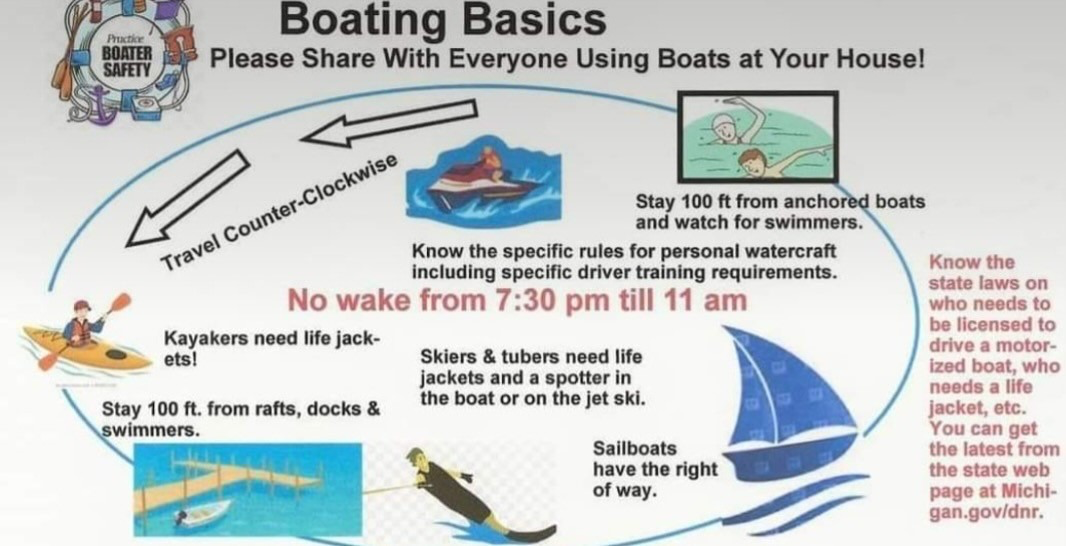
Just like driving a car, operating a pontoon boat requires knowledge of the rules and regulations of the waterway. Familiarize yourself with local boating laws, including speed limits, no-wake zones, and navigation rules. Pay attention to any signage or markers that indicate restricted areas or potential hazards. It’s important to be respectful of other boaters and wildlife while enjoying your time on the water.
Takeoff and Docking – Go Easy and Stay in Control.
When departing from the dock, take it slow and steady. Gently release any lines securing the boat and use light throttle to move away. Be especially mindful of shallow areas, wind, and current—these can affect your direction and speed more than you might expect, so adjust your steering accordingly.
As you return, always approach the dock at a slow, controlled pace. Assign a spotter to help guide you safely in. If you’re not confident yet, practice docking in open water before making your way back.
Please note: our dock is newly installed in 2025, so we appreciate your extra care when coming in. Let’s keep it in great shape for everyone to enjoy!
Steering and Maneuvering – Take Control with Confidence
Steering a pontoon boat is a lot like driving a car—you turn the wheel in the direction you want to go. But there are a few important differences to keep in mind.
Pontoon boats have a wider turning radius, so give yourself plenty of space, especially in tight areas. Take turns slowly and smoothly—sharp turns can affect the boat’s stability due to its weight distribution.
And here’s the big one: boats don’t have brakes. To slow down or stop, you’ll need to ease off the throttle well in advance and allow the boat to coast. Always plan your maneuvers ahead of time and stay alert to your surroundings.
Maintaining a Safe Speed – It’s Not a Race!
Steering a pontoon boat is a lot like driving a car—you turn the wheel in the direction you want to go. But there are a few important differences to keep in mind.
Pontoon boats have a wider turning radius, so give yourself plenty of space, especially in tight areas. Take turns slowly and smoothly—sharp turns can affect the boat’s stability due to its weight distribution.
And here’s the big one: boats don’t have brakes. To slow down or stop, you’ll need to ease off the throttle well in advance and allow the boat to coast. Always plan your maneuvers ahead of time and stay alert to your surroundings.
Maintaining a Safe Speed – It’s Not a Race!
Keeping a safe speed isn’t just about following the rules—it’s about making sure everyone onboard stays safe and comfortable. Always follow posted speed limits and stay aware of your surroundings.
Adjust your speed depending on water conditions, nearby boat traffic, and changing weather. Avoid going too fast, especially in narrow or busy areas, as large wakes can disrupt other boaters, damage docks, or even erode shorelines.
Keep in mind that pontoon boats are built for comfort, not speed. Going too fast can make steering more difficult and may even cause damage to the boat or the environment—especially in shallow areas.
A steady, controlled pace helps ensure a smooth ride—and shows respect for others sharing the water.
Anchoring – Stay Put the Right Way
If you plan to stop and enjoy some swimming or fishing, it’s essential to know how to anchor your pontoon boat properly. The anchor is located in the front under the left seat. Choose a suitable spot away from other boats, underwater obstructions, and strong currents. Slowly approach the desired location, and once you’re in a suitable position, lower the anchor into the water. Allow the boat to drift back while letting the anchor line out until the desired length is reached. Secure the anchor line to a sturdy cleat or anchor point on the boat and ensure it holds firmly.
Be Mindful of Weather Conditions – Stay Ahead of the Storm
Always check the weather forecast before you head out and stay alert for any sudden changes while you’re on the water. Shifts in wind, rain, or lightning can happen quickly and create hazards.
If bad weather is on the way, don’t hesitate to seek shelter or return to the dock early. When it comes to weather, it’s always better to be safe than sorry.
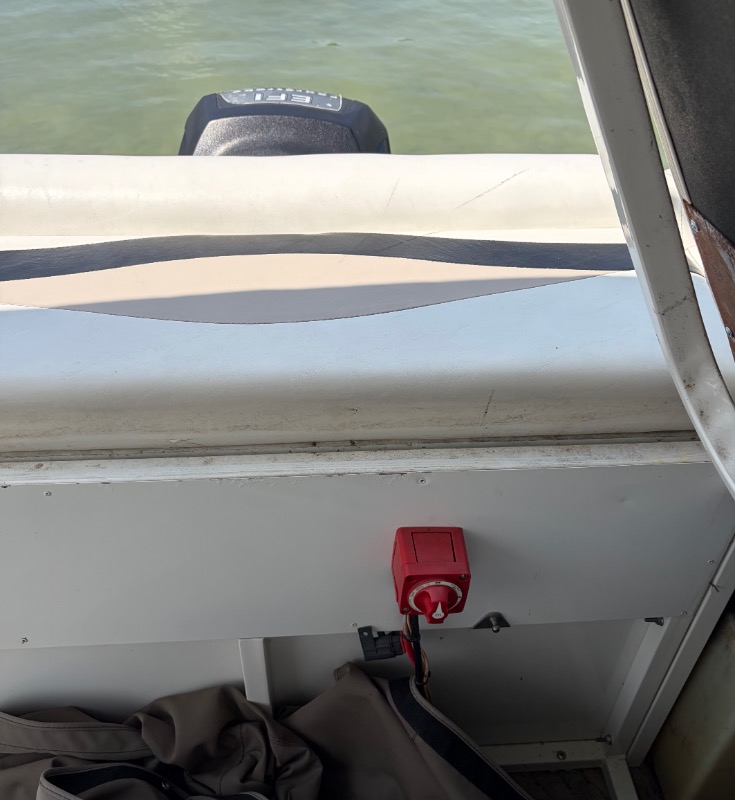
Battery Shut Off
Dont’ forget the Battery Shut off.